
Loading...
Serving Newport, RI and surrounding areas. (401) 344-4828
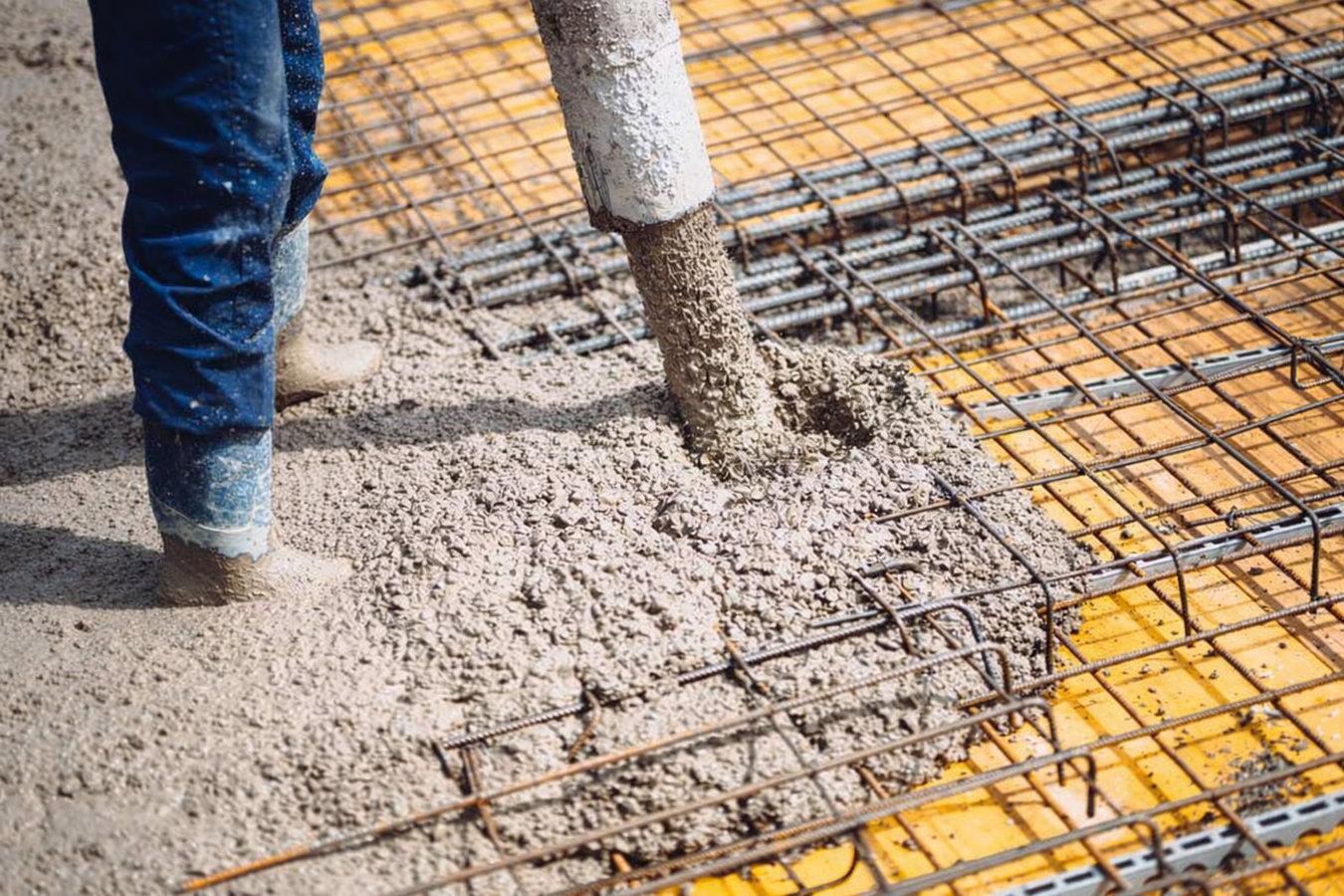
A foundation problem gets worse and more expensive with every season you wait. We install residential foundations in Newport - slab, crawl space, and full basement - with proper excavation, footing depth, waterproofing, and permits handled from start to finish.
Foundation installation in Newport, RI covers excavation, footing placement below Rhode Island's frost line, poured concrete walls, waterproofing, and backfill - most residential projects run two to four weeks of active work, with total calendar time longer once permits and inspection scheduling are factored in.
Newport homeowners come to us for foundation work in a few different situations: building something new, replacing a failing century-old stone or brick foundation on an older home, or reinforcing an existing foundation before adding a second story or major addition. Each situation is different, and the approach changes depending on what is already there and what the site conditions look like. If a slab foundation is what your project calls for rather than a full basement or crawl space, we can walk you through the tradeoffs on a site visit.
Newport's combination of old housing stock, glacial soil, a high water table in low-lying areas, and active historic district oversight means this is not a city where a contractor unfamiliar with local conditions is likely to price or schedule your project accurately. The details that affect your timeline and final cost are specific to your address - and they need to be assessed in person.
When a foundation shifts even slightly, the house frame moves with it - and that shows up first in doors and windows. If a door that used to swing freely now drags on the floor, or a window does not latch the way it used to, that is a clear early signal that something structural may be changing underneath. It does not always mean a foundation failure, but it is worth having assessed before the shift gets bigger.
Small hairline cracks in concrete are common and often harmless. But cracks wider than a credit card's thickness, diagonal cracks from window or door corners, or cracks that appear to be growing over time are signs the foundation is under stress. In Newport's older homes - many with stone or brick foundations - this kind of deterioration is especially common and responds better to early action than to waiting.
Newport receives significant rainfall, and the city's high water table means groundwater has less distance to travel before it finds a weak point in an older foundation. Puddles, damp walls, or a musty smell after wet weather are signs that the waterproofing is failing - or may never have been adequate. This is one of the most common problems in Newport's pre-1950 housing stock and it rarely improves on its own.
A floor that sags toward one wall, slopes noticeably, or feels springy when you walk across it can indicate the structure below is no longer providing solid support. In Newport's Victorian and Colonial-era homes, settling has often been occurring slowly for decades and may have reached a point where it needs to be addressed. Waiting makes the repair scope - and the cost - larger.
Every foundation installation starts with a thorough site assessment - evaluating soil conditions, identifying any ledge rock close to the surface, and mapping out drainage patterns before a single shovel goes in the ground. Newport's coastal geology and variable soil mean this step is not optional - it is what separates an accurate estimate from one that falls apart mid-project when unexpected conditions emerge. Excavation, footing work, forming and pouring the walls, waterproofing the exterior, and managing backfill are all part of what we handle from contract to final inspection.
We pull every required permit through Newport's building department, coordinate the inspection schedule, and keep you informed at each stage so you are never left wondering what is happening. If your project involves work on an existing older home where the current foundation needs to be fully replaced rather than repaired, we can coordinate with your general contractor or structural engineer. For properties also requiring concrete parking lot building or site flatwork alongside the foundation, we can scope both in the same project to reduce the number of separate contractors you are managing.
Best for homeowners who want usable space below grade - storage, a finished room, or mechanical access - and whose lot and soil conditions support the deeper excavation required.
Suited for homes where a full basement is not practical but access beneath the floor structure is still desirable for plumbing and mechanical systems.
The most straightforward option for additions, garages, and accessory structures where no below-grade space is needed and the site conditions support it.
For Newport properties where an existing stone, brick, or deteriorated concrete foundation needs to be removed and replaced with a modern poured concrete structure.
Newport sits on a landscape shaped by glaciers, which left behind a mix of dense clay, gravel, and ledge rock that can appear just a few feet below the surface. When a crew hits ledge during excavation - and it happens regularly in Newport - it has to be broken up or blasted, which adds time and cost that was not in the original estimate if the contractor did not plan for it. The city is also surrounded by water on three sides, which means groundwater sits closer to the surface here than in inland Rhode Island communities. A foundation that might stay dry in other parts of the state can take on water in Newport without proper drainage and waterproofing built into the install - not added as an afterthought. Homeowners in Tiverton, RI face similar coastal soil conditions and moisture considerations.
Newport's historic housing stock adds another layer. A large share of residential neighborhoods - including the Point, Broadway, and Fifth Ward - contain homes built in the late 1800s and early 1900s, many sitting on rubble stone or brick foundations that were never designed to last indefinitely. Replacing those foundations involves more complex work and more involved permitting than a new-construction install. A significant portion of the city also falls within historic district boundaries, meaning exterior changes require review by the Newport Historic District Commission before permits can be issued. We know this process and factor it into every project timeline from day one. Homeowners in Jamestown, RI face their own coastal soil and permitting conditions, and we work there regularly as well. For foundation standards, the Portland Cement Association and the National Ready Mixed Concrete Association publish the technical benchmarks that inspectors use to evaluate work quality.
The first conversation is a short call to understand your project - what you are building, whether you are replacing an existing foundation or starting fresh, and roughly what size. From there, we schedule a site visit to look at the lot, assess soil conditions, and identify anything affecting scope or cost. In Newport, this visit often includes reviewing neighboring properties and any historic district considerations.
After the site visit, you receive a written estimate with the major cost categories laid out clearly. Once you agree on scope and sign a contract, we apply for the Newport building permit on your behalf. Permit review typically takes a few weeks, and longer in historic districts. We handle the process and keep you updated - you should not have to chase it yourself.
Excavation typically takes two to five days depending on foundation size and what the crew encounters underground. In Newport, hitting ledge rock is a real possibility - we communicate quickly if that happens and explain what it means for your timeline and cost before any additional work proceeds. Once excavation is complete and footings are inspected and approved, forming and pouring begin.
After the foundation walls cure and pass inspection, the exterior gets waterproofed and drainage material is placed around the base. Backfill follows, done carefully to avoid putting excess pressure on new walls before the concrete has fully reached strength. The city's building inspector makes a final visit, and once that sign-off is in hand, the foundation is ready for framing.
We respond within one business day, provide a free written estimate after a site visit, and handle every permit and inspection step through Newport's building department.
(401) 344-4828Ledge rock, glacial till, sandy fill near the water - we have encountered all of it on Aquidneck Island properties and know how to plan for each. Our estimates reflect real site conditions, not averages. If something unexpected comes up during excavation, you hear about it immediately, with a clear explanation of what it means for your cost before any additional work proceeds.
Newport's proximity to Narragansett Bay and the Atlantic means groundwater pressure is a constant, not a seasonal issue. We treat drainage and waterproofing as core parts of every foundation install - not optional upgrades. That means a basement you can actually use year-round, not one that takes on water the first time Newport gets a sustained stretch of rain.
Newport's building department handles a high volume of historic renovation projects alongside new construction, and timelines can run longer than homeowners expect. If your property is in or near a historic district, we identify that early and factor the extra review steps into the schedule from day one - so you are not caught off guard weeks into the project.
Rhode Island requires footings to go roughly four feet below grade so freeze-thaw cycles cannot push them out of position over time. This is a non-negotiable requirement, and the building inspector confirms it before any concrete is poured. Every foundation we install is built to this standard, verified by inspection, and documented with the permit paperwork you receive at project close.
Foundation work is the most consequential concrete project most homeowners ever commission. Getting it right the first time costs less than fixing it later - and we are here to make sure you understand exactly what you are getting before any work begins.
Commercial-grade concrete parking lot construction for Newport properties, built with proper base preparation, drainage, and reinforcement for heavy vehicle loads.
Learn MoreConcrete slab foundations for garages, additions, and accessory structures on Aquidneck Island - assessed, permitted, and poured for Newport's variable soil conditions.
Learn MoreContractor schedules fill fast in spring - reach out now and we will visit your lot, assess the conditions, and give you a clear written number before you commit to anything.