
Loading...
Serving Newport, RI and surrounding areas. (401) 344-4828
A footing that shifts costs far more to fix than to build right the first time. We pour concrete footings in Newport to the depth Rhode Island requires, on soil we have evaluated in person, with permits and inspections handled before any concrete is poured.
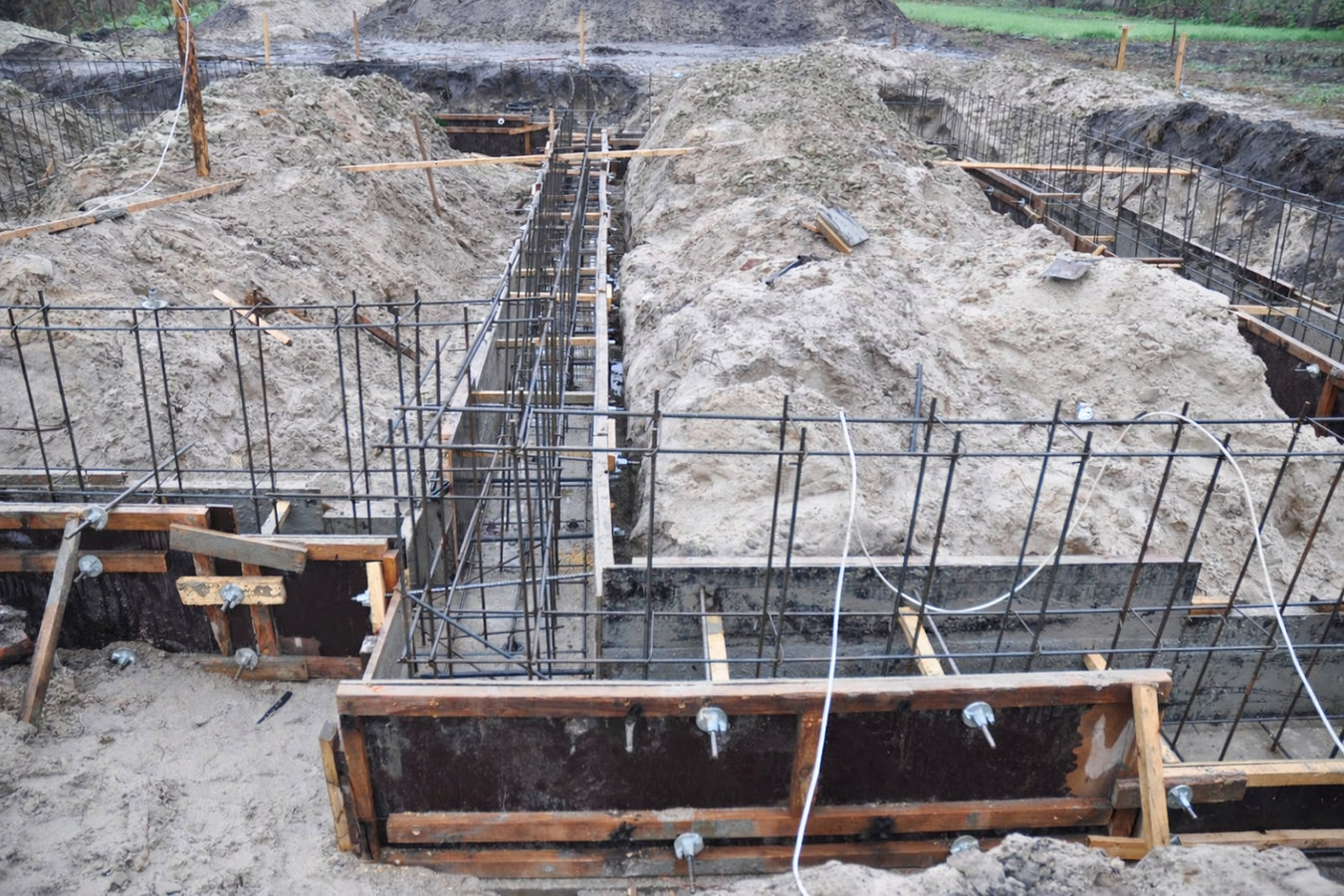
Concrete footings in Newport, RI require excavation to at least 48 inches below grade to clear Rhode Island's frost line, rebar placement, form setup, and a poured concrete pour - most residential footing jobs take one to three days of active work, with a permit inspection required before any concrete is placed.
Newport homeowners need footing work in a few distinct situations: building a new deck, porch, or garage; adding an addition to an existing home; replacing failing footings under a structure that has started to move; or starting new construction from the ground up. In every case, the footing is the first thing that gets built and the last thing you want to redo. Getting the depth, width, and reinforcement right at the start is what keeps the structure above it level and stable through decades of Newport winters. For projects also involving a full foundation installation, footings are the first step in that sequence and we handle both together.
Newport's combination of deep frost requirements, variable coastal soil, historic housing stock, and an active building permit process means this is not a job where cutting corners saves money - it creates expensive problems years later. A footing that shifts pushes cracks up through foundation walls, throws door frames out of square, and tilts decks and porches in ways that are costly to correct after the fact.
If you can see a gap opening between your deck and the exterior wall, or the steps feel like they are tilting away from the house, the footings underneath may have shifted. In Newport's freeze-thaw winters, shallow or undersized footings get pushed upward by freezing soil and never fully settle back. This is a safety issue, not just a cosmetic one, and it gets worse with each passing winter.
Hairline cracks in concrete are common, but cracks wider than a pencil tip, diagonal cracks near corners, or cracks that appear to be growing suggest the footing below may be moving or settling unevenly. Newport's mix of sandy coastal soil and older fill areas means some properties experience more soil movement than others. New or widening cracks are worth having evaluated sooner rather than later.
When a footing shifts, the house frame above it shifts too - and doors and windows are often the first place you notice it, because they no longer fit their openings properly. Newport has a large number of homes built before 1950, and original foundations in these homes were often set on stone or shallow concrete not designed for modern loads. If sticking doors are a new development and there is no obvious water damage, foundation movement is worth investigating.
Any new structure attached to or near your home needs properly designed footings before construction begins - this is required by permit in Newport and not optional. If you are in the planning stage for a deck, sunroom, garage, or addition, the footing work happens first and sets the foundation for everything that follows. Getting this right at the start is far less expensive than fixing problems after the structure is built.
Every footing project starts with a site visit where we assess the soil, the slope, existing structure conditions, and access for our equipment. Newport's coastal soil profile - a mix of bedrock, glacial till, and sandy or fill soil near the water - varies significantly from one street to the next, and we need to see your specific lot before we can give you a reliable price. After the site visit you receive a written estimate that breaks down every cost. We handle the permit application through Newport's building department, coordinate the pre-pour inspection with the city inspector, and walk you through each phase so you know what is happening and why.
For homeowners working with an older Newport property where new footings need to tie into an existing historic structure, we assess the existing foundation condition before designing anything new - protecting the character and integrity of the home rather than putting stress on parts that were not built for additional load. Projects that also call for foundation raising can be combined with footing work in the same mobilization to keep your project moving without unnecessary delays.
For homeowners building a new deck, porch, or pergola - footings poured to frost depth so the structure stays level and secure through Newport winters.
For homeowners adding living space, a detached garage, or an accessory structure - footings sized and reinforced for the load bearing requirements of the new construction.
For existing structures where the original footings have shifted, heaved, or failed - assessment of the current condition and replacement with properly designed concrete footings.
For properties where new footings must tie into or work alongside an older stone, brick, or early concrete foundation - careful assessment before any design decisions are made.
Newport's frost depth requirement of 48 inches is set by Rhode Island's building code and applies across the state - but the conditions that surround that requirement vary a lot depending on where you are on Aquidneck Island. Near the waterfront and in lower-lying neighborhoods, the water table can sit surprisingly close to the surface, which means an excavation can fill with groundwater before forms are even set. Sandy or fill soil in these areas also reduces the bearing capacity of the ground, which means wider footings are sometimes needed to spread the load safely. A contractor quoting over the phone without seeing your property cannot account for any of this. Rhode Island's Division of Building Safety Standards sets the code framework, and Newport's building department enforces it through the permit and inspection process on every structural concrete job.
Newport also has one of the highest concentrations of pre-1900 homes in New England, and many of those homes have original stone or brick foundations that were never designed to support modern additions. When a homeowner in Middletown or Portsmouth wants to add a deck or sunroom to a home that is 120 years old, tying new footings into that structure without damaging it requires care and local experience. We assess existing foundation conditions before designing anything new - protecting the home rather than putting unplanned stress on it.
We come to your property, look at the area where footings will go, and assess the soil, slope, and access. We ask about your plans for what is being built above the footings so we can size the work correctly. We reply within 1 business day to schedule, and you receive a written estimate after the visit - not a phone ballpark.
We apply for the required building permit through Newport's building department before any digging starts. We handle this step for you and give you a realistic timeline for approval - typically a few days to a couple of weeks depending on the season and the building department's current workload.
On the day work begins, the crew digs down to the required depth - at least four feet in Newport to clear the frost line. Forms are set and steel reinforcing bars are placed inside before any concrete is poured. This prep work locks in the shape, depth, and reinforcement of the footing.
Before concrete is placed, the city inspector verifies depth, size, and reinforcement - your independent confirmation that the work meets code. After the pour, the concrete cures and the crew cleans up the site. We tell you exactly when it is safe to begin building on top of the footings.
We visit your property before we quote - so the number you get reflects what your site actually requires. Replies within 1 business day.
(401) 344-4828Newport's coastal soil varies block by block. Sandy or fill soil near the water requires wider footings; high water tables can complicate the excavation; rocky ground can add time nobody planned for. We see every site in person before a price is given, so the estimate you receive reflects your actual conditions - not a generic number that grows once digging starts.
The permit and pre-pour inspection are not optional for structural footing work in Newport - and they protect you as much as they satisfy the city. We file the permit application, communicate with the building department, and coordinate the inspector's visit before any concrete is placed. You have documented proof that the work was done correctly, which matters when you sell the property.
Every footing we pour goes to Rhode Island's required 48-inch frost depth. That depth exists because Newport winters are cold enough to freeze the ground and push shallow footings upward. Decks and porches that pull away from houses in this area are almost always built on footings that were not deep enough. We do not cut that corner.
Newport has more pre-1900 homes than almost any city its size in New England. Tying new footing work into an older stone or brick foundation requires assessing what is already there before anything new is designed. We take that step on every project involving an older Newport home - protecting the structure rather than assuming the existing foundation can handle additional load.
The American Concrete Institute sets the national standards for mix design, reinforcement, and curing that govern how footing work is done - and following those standards, combined with local knowledge of Newport's soil and climate, is what separates footing work that holds for decades from work that starts showing problems within a few winters.
Foundation raising and leveling for Newport homes where settling, frost movement, or age have shifted the structure out of alignment.
Learn MoreFull residential foundation installation in Newport - excavation, footing placement, poured walls, waterproofing, and permits from start to finish.
Learn MoreSpring books fast in Newport - reach out now and we will schedule your site visit before the season fills up.