Loading...
Serving Newport, RI and surrounding areas. (401) 344-4828
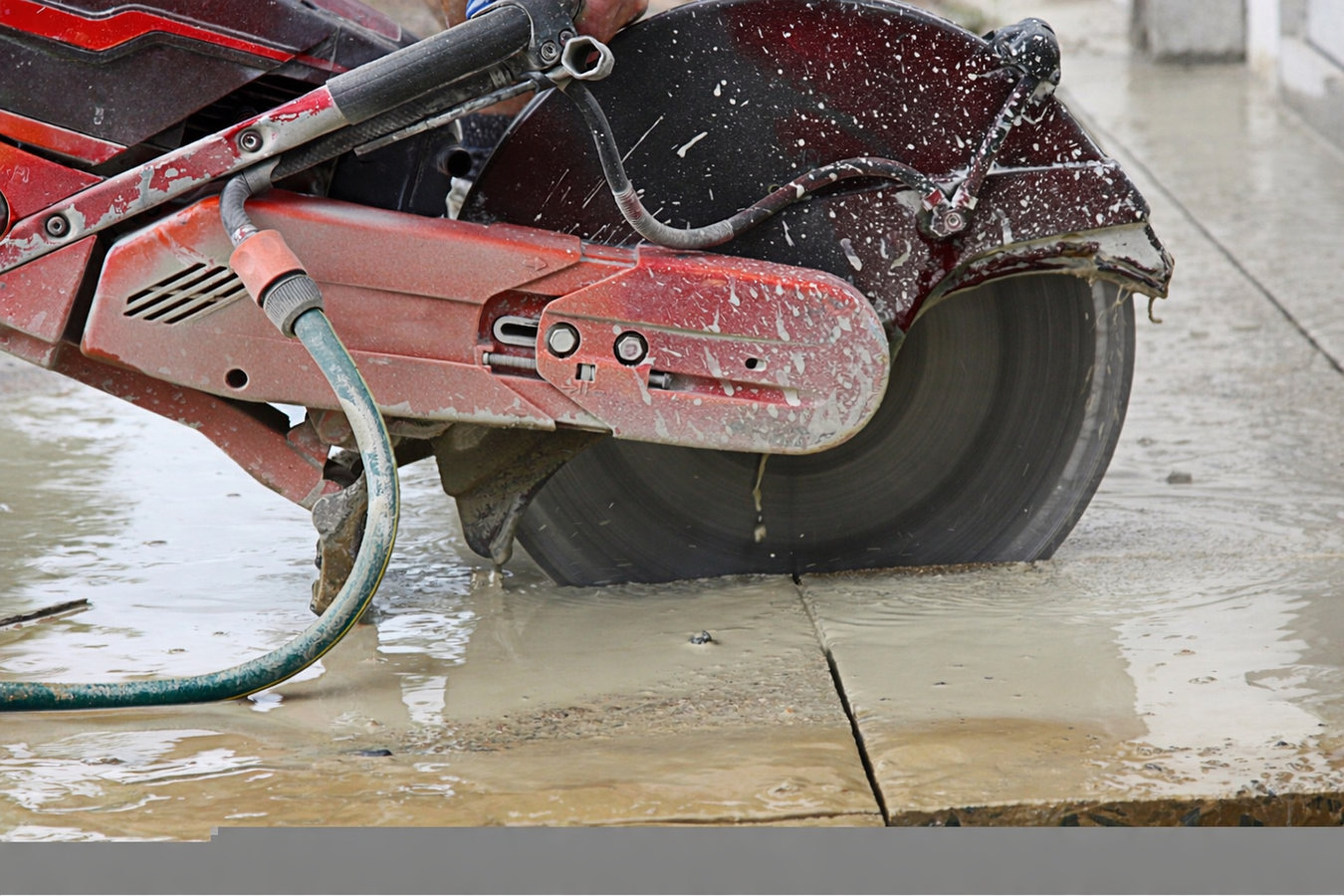
Whether you need a driveway section removed, a basement floor opened for a new drain, or an opening cut through a foundation wall, we do it right - clean edges, contained slurry, and no damage to what surrounds the cut.
Concrete cutting in Newport, RI uses diamond-blade saws and core drills to slice through hardened concrete cleanly - removing damaged sections, opening floors for drains, or creating doorways in foundation walls - and most residential jobs are completed in a single day with straight edges and no damage to the surrounding slab.
Newport homeowners call for concrete cutting in several situations: frost-heaved driveway sections that have shifted and need to be cut out and replaced rather than patched; basement floors that need a drain opening for water management; foundation walls that need an opening for a new bulkhead, egress window, or utility line. The distinction between cutting and simply breaking concrete matters - cutting produces straight, controlled edges that give the next stage of work something stable to tie into. When the project that follows is a new concrete driveway or a parking surface repair, a clean cut at the boundary means the new concrete bonds correctly and the repair holds.
Newport's older neighborhoods have tight lots, thicker foundations, and concrete that has been through decades of salt air and freeze-thaw stress. What looks like a simple cut on the surface can involve thicker material, corroded reinforcement, or surprises inside the wall that a contractor who has not worked here before may not be ready for. We assess the concrete before quoting so the estimate reflects the actual job.
Cracks wider than a pencil, or sections of driveway that have risen or dropped relative to the panel beside them, are signs of frost heave or settling that patching will not fix. Newport's freeze-thaw winters push slabs out of position year after year, and patching over a shifted slab rarely holds more than a season in this climate. Cutting out the damaged section and replacing it with a clean edge is the repair that actually lasts.
If water collects on your basement floor after heavy rain or spring snowmelt, you may need a floor drain added. Installing a floor drain requires cutting through the concrete slab to reach the soil below. This is one of the most common reasons Newport homeowners call a concrete cutting contractor - and one of the most effective long-term fixes for a chronically wet basement.
Finishing a basement, converting a crawl space, or adding a bulkhead entrance all require an opening cut through the foundation. A sledgehammer opening damages surrounding concrete and leaves unstable edges that are hard to frame against. A clean saw cut gives the framing crew a straight, stable opening and protects the structural integrity of the rest of the wall.
Newport roads are salted heavily in winter, and salt spray from traffic reaches driveways and front walkways. If your concrete surface shows pitting, scaling, or a layer that seems to be peeling away, that is salt damage accelerating through the surface layer. Once the top layer fails, deterioration speeds up - cutting out affected sections before they worsen further is often the most cost-effective approach.
We visit your property before giving a price. That visit lets us check the concrete thickness, assess whether there is rebar or wire mesh inside the slab, evaluate access for our equipment, and look at the condition of the surrounding concrete before committing to a cut line. Newport's older neighborhoods - including the tight lots near The Point and Bellevue Avenue - sometimes require smaller equipment and more careful staging than a wider suburban driveway. We bring the right tools for the specific site.
Water management during the cut is part of our process, not an afterthought. Most concrete saws run water while cutting to keep the blade cool and capture the concrete dust that would otherwise become airborne. The slurry that results - a gray mixture of water and concrete dust - stays on your property and out of storm drains. Newport's storm drains connect to the harbor and surrounding waterways, and responsible slurry disposal is something we take seriously. If your project follows this cutting work with new poured concrete, we can coordinate that sequence and handle both stages together.
For homeowners cutting out damaged, heaved, or deteriorated sections of driveway, patio, or walkway - straight cuts with no damage to the surrounding concrete.
For homeowners adding a floor drain, running new plumbing, or routing electrical conduit through a slab - precise round holes cut to the right diameter.
For homeowners creating a new opening in a foundation wall for a bulkhead, egress window, or utility entry - clean, straight-edged openings in older Newport foundations.
For new or existing concrete slabs that need control joints added to prevent future cracking - cut to the right depth and spacing for the slab thickness.
Newport's combination of salt air, freeze-thaw cycles, and pre-20th-century housing stock creates concrete cutting jobs that require more preparation than they would in a newer inland community. Salt air from Narragansett Bay corrodes both the surface of concrete and the steel reinforcement inside it, which means foundations and slabs near the water often have more internal deterioration than they appear to on the surface. A contractor who does not check for this before cutting can find themselves mid-job with corroded rebar that changes the scope and cost of the project. We check before we quote. Homeowners in Portsmouth and Tiverton face similar coastal concrete deterioration patterns, and we apply the same preparation approach on those sites.
Newport also has one of the densest concentrations of pre-1900 structures in the country. Cutting through an older foundation wall - one built from stone, early poured concrete, or a mix of both - requires different blade selection and a slower, more careful approach than cutting a modern slab. These walls are often thicker, less uniform in composition, and sometimes contain materials that wear blades faster than expected. The Concrete Sawing and Drilling Association sets industry standards for this kind of work, and following those standards is what produces a cut that does not damage the surrounding structure. OSHA's silica dust control requirements for concrete cutting are also part of how we operate on every job - wet cutting and proper containment protect both our crew and you.
We respond within one business day. A few basics - what you are trying to cut, where it is on the property, how thick you think the concrete is - help us understand the scope before scheduling a site visit. You do not need all the answers; we just need enough to plan the right visit.
We come to your property, look at the concrete, check access, and assess whether there is rebar or mesh inside the slab before giving you a firm price. This visit takes 20 to 30 minutes and the estimate is written - nothing verbal that can shift once work starts.
If your project requires a permit from Newport's Building Inspections Division, we handle the application or walk you through what is needed. Permit processing for straightforward residential work typically takes a few business days. We do not skip this step, and we do not recommend working with contractors who do.
The crew arrives, sets up, marks the cut lines, and manages the water during cutting. Slurry is contained and removed - not hosed into your yard or down the street. You get a clean, straight-edged cut and a site that is ready for whatever comes next. If a permit was pulled, we coordinate the inspection before closing out the job.
We visit your property, check what we are cutting into, and give you a written price before any work starts. Responding within one business day.
(401) 344-4828Older Newport homes often have thicker foundations or steel reinforcement inside concrete that you cannot see from the surface. Both significantly affect how long a cut takes and how quickly blades wear. We check for this before giving you a price - not after we have already started cutting. That means the estimate you receive reflects the actual job, not a best-case guess.
Concrete cutting produces a gray slurry of water and concrete dust. Newport's storm drains connect to the harbor and surrounding waterways, so responsible disposal is not optional. We contain the slurry during cutting and remove it when we leave - not hose it into your garden or down the street. Asking any contractor how they handle this before hiring is a reasonable thing to do.
We hold a current registration with the Rhode Island Contractors' Registration and Licensing Board - verifiable online before you commit to anything. That registration confirms we are operating legally, carry required insurance, and have a record you can check. Thirty seconds on the CRLB's lookup tool tells you whether any contractor you are considering is legitimate.
Newport's older neighborhoods - The Point, Kay-Catherine, areas near Bellevue Avenue - have narrow driveways, tight side yards, and limited staging space. We bring equipment sized for constrained sites and plan access before showing up with gear that will not fit. Your neighbors will not be blocked, and your yard will not become a staging area for equipment that belongs somewhere else.
Concrete cutting in Newport requires the same kind of site-specific preparation that any work on older coastal housing stock demands. Our combination of honest pre-cut assessment, proper slurry management, and familiarity with Newport's older foundations is what makes the difference between a cut that creates a problem and one that solves it. If you want to verify our registration or read more about concrete cutting industry standards, the Rhode Island CRLB and the Concrete Sawing and Drilling Association are the right places to start.
New concrete driveways poured to replace frost-damaged or deteriorated surfaces - from full tear-out and base preparation through finishing and curing.
Learn MoreCommercial and residential concrete parking lots in Newport and surrounding communities - designed for load, drainage, and long-term durability.
Learn MoreFall is a good window for driveway and basement work - temperatures are still workable, and new concrete will cure before winter sets in. Call now to get on the schedule.